
The clock ticked slower there.
In that wing of a medical center in São Paulo, time stopped being in a hurry. You heard every tick. You felt the space between them. And you would have given anything to fill that gap with something other than what was coming.
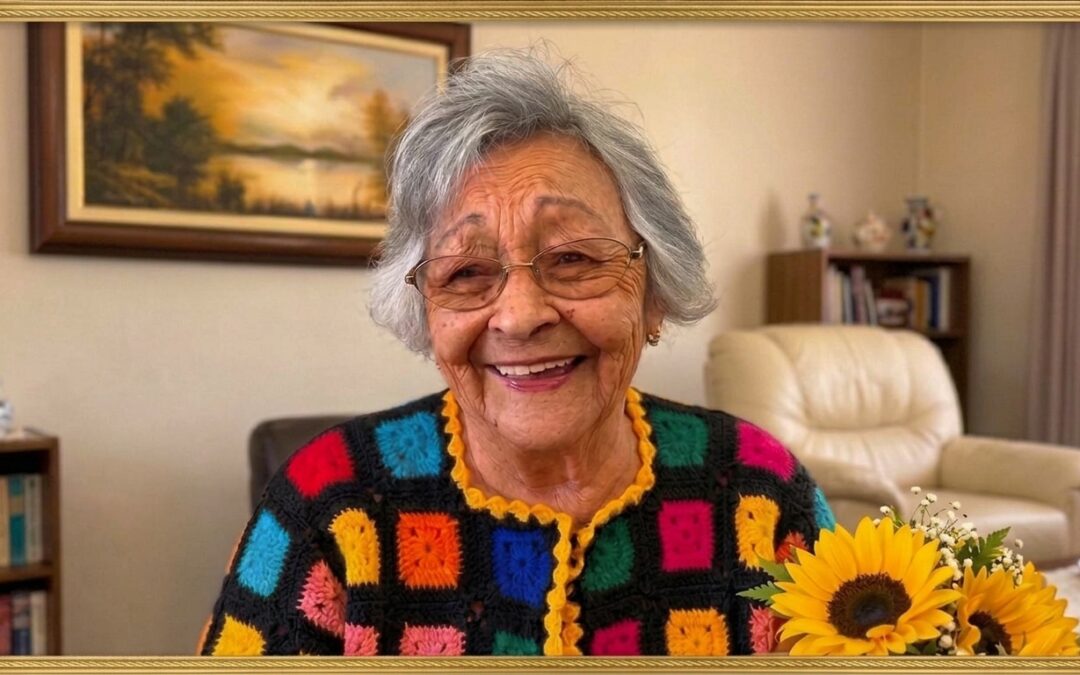
My mom (Mamis to us) spent her last fourteen days in that hospital. Tough as nails to the very end. Eighty years old, on the 21st floor, fighting until her last breath.
Giving out a little more each morning, her breathing heavier and heavier, her strength fading like a tide going out and not coming back.
That fight came from somewhere deeper. She had a rough life, and unfortunately, her last weeks followed suit. But on the flip side, you don’t raise two kids who turn out better than okay without being tough as nails yourself.
A Waiting Room for the Inevitable
On that wing, nobody talked about it out loud, but everybody knew: no patient walks out of that floor alive. It’s not a hospital ward; it’s a waiting room for the inevitable.
A death sentence with soft sheets and the kindest nurses and doctors you will ever meet in your life. They are not there to perform miracles. They are there to provide abundant love to the patients and their families.
I know death. I’ve been close to it four times myself. But here’s the thing: facing your own death and watching someone you love face theirs are not the same thing. Not even close.
Facing your own death: I was the main actor. I had my own will to throw at it, my own body to fight with. There was something to do.
Watching someone else: I was the spectator. And that’s a completely different weight. You can’t fight it, you can’t fix it, and you can’t trade places. You can’t buy more time or hope.
Your hands are tied behind your back and all you can do is watch. The only thing left in your control is to offer comfort and unconditional love. That was the whole job, but it never felt like enough.
Death isn’t the problem. Death is quiet; death is rest. The transition is the problem. The slow travel of it—the road to the end. That’s where the anguish lives.
The Logistics of Love
It was me, my wife Ana, and my sister Carol. We alternated shifts so Mamis was never alone.
Nobody prepares you for the logistics of love. One of us arriving on empty; the other leaving on empty. Carol carrying the same grief I carry, from the same childhood, the same mom.
And Ana? Somewhere in those fourteen days, Ana stopped being the daughter-in-law and became the “adopted daughter” my mom chose.
She loved my mother like her own. And my mother? Even at the end, even with everything else being taken from her, she had enough heart left to take Ana in fully.
Grief Seeps Through the Walls
Here’s what breaks you open in a place like that.
My mom, at least, got a merciful version. She lived into her 80s. She raised two kids who turned out better than okay. She got to leave Earth knowing that the people she loved most were going to be alright.
That’s not nothing—that’s a life that landed where it was supposed to.
But then you look down the hall.
You see the young ones. A mother who won’t see her child start school. A father whose wife is about to become a single parent overnight. Dreams stopped mid-sentence. Promises that will never be kept. People with decades ahead that were supposed to be theirs, and suddenly… aren’t.
You don’t know them. You’ve never spoken to most of them. But grief in a place like that doesn’t stay in one room—it seeps through the walls. You feel it in the way a family goes silent in the corridor, in the shoulders that drop when a door closes.
The whole floor is heavy with heartbreak nobody is saying out loud. And it softens your heart, even for strangers. Especially for strangers.
What That Room Taught Me
I’m writing this because sitting in that room while watching my mom made something painfully clear. And I don’t want you to learn it the hard way.
We spend our lives rushing:
To the next sale.
To the next follower.
To the next milestone.
We tell ourselves we’ll slow down later. We’ll be present later. We’ll call Mom, visit Dad, and sit with the people we love later—once things calm down.
But here’s what that room taught me: When you get to your last days, the clock slows down whether you’re ready or not.
And in that slowness, none of the things you rushed toward will be in the room with you. No sale. No follower. No milestone. Just the faces of the people you loved, if any, and how much of that love you actually lived.
Obrigado, Mãe
Today is my birthday. This isn’t the gift I wanted. However, knowing that Mamis is now pain-free and in peace warms my heart and soul.
Obrigado, Mãe! Your mission was finally accomplished. Every second was worth it.
With unconditional love,
“Lelo”

About Roger Magalhães
Entrepreneur | Speaker | Storyteller | Author
Different brands. Same high standard.
Connect & Explore:
Official Website: RogerMagalhaes.com
Businesses: Shades In Place | Trading Up Consulting | Blinds Online
Book: Nobody Told Me That
Podcasts: No Strings Attached (US) | Garra Brazuca (BR)
Blog: Explore Previous Articles & Insights
A Note on Life, Loss, and Perspective
If this reflection on slowing down, honoring those we love, and holding onto what truly matters resonated with you, I invite you to join the conversation on No Strings Attached . We share real, unfiltered lessons on navigating life, business, and everything in between.
Sign up for Stories in Motion and receive a sample chapter of Roger's upcoming book Nobody Told Me That.
A monthly reflection on life situations, business lessons, and the stories that connect us all … one word at a time.